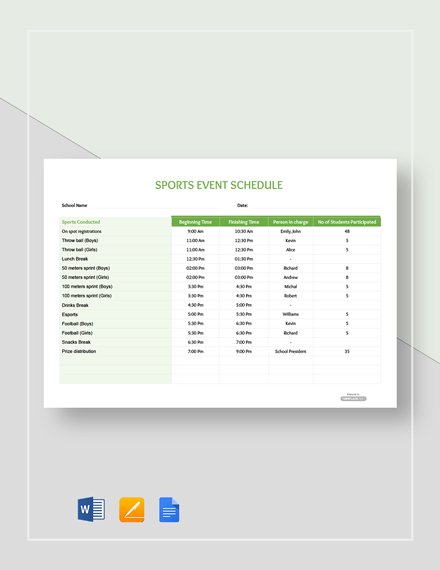
The roar of the crowd, the tension of the final seconds, the sheer exhilaration of a live sporting event – it’s an unbeatable feeling. But before you can immerse yourself in the action, there's a crucial first step: finding out when and where to watch. Navigating Sports Event Schedules can often feel like a sport in itself, a strategic game of tracking down your favorite teams, deciphering broadcast channels, and staying ahead of last-minute changes.
We’ve all been there: frantically scrolling through guides, trying to remember which channel carries which league, or worse, settling in for a big game only to realize it started an hour ago. In today's fragmented media landscape, with an explosion of streaming services, regional blackouts, and global events on offer, staying on top of live sports has become a fine art. This guide is your ultimate playbook, designed to equip you with the knowledge and tools to master the world of live sports schedules.
At a Glance: Your Game Plan for Spotting Live Sports
- Diverse Sources are Key: Don't rely on just one website or app. Combine official league sites, major sports news portals, and streaming service guides for comprehensive coverage.
- Decipher Channel Codes: Understand the difference between national broadcasters (ESPN, FOX) and regional sports networks (RSNs) or obscure abbreviations (like "TMHD1").
- Mind the Time Zones: Always double-check game times against your local time zone to avoid missing a moment.
- Embrace Customization: Leverage digital calendars and notification apps to build a personalized viewing schedule that alerts you to upcoming games.
- Stay Agile for Changes: Flex scheduling and last-minute adjustments are part of the game. Follow reliable news sources for real-time updates.
- Understand Blackouts: Learn why certain games might not be available in your area and what your options are.
The Elusive Game: Why Tracking Sports Schedules Can Feel Like a Sport Itself
Imagine a single, universal calendar that lists every live sports event, across every league, on every channel, globally, with real-time updates. Sounds like a dream, right? The reality is far more complex, turning the simple act of finding a game into a multi-faceted challenge.
The Fragmentation Problem: A Maze of Channels and Services
Gone are the days when a handful of major networks carried virtually all significant sporting events. Today, the landscape is a sprawling network of cable channels (ESPN, FS1, CBSSN, SEC, GOLF), over-the-air broadcasters (FOX, CBS), premium league passes (NBA League Pass, NHL.tv), and a rapidly expanding universe of streaming services (Peacock, Paramount+, ESPN+, Apple TV+, Amazon Prime Video). Each platform holds exclusive rights to different leagues, games, or even specific windows within a season. For example, on any given Friday, you might find college basketball on ESPN2, an NBA game on a "TEAM" channel, golf on GOLF, and NHL action on a "GMHD" or "GAMSA" channel – each requiring a different subscription or cable package.
Time Zones and Regional Variations: The Geographic Gauntlet
A game listed for "8:00 pm ET" is a very different proposition if you live on the West Coast or are trying to catch a European football match from North America. Time zone conversions are a constant hurdle. Add to that the complexities of regional sports networks (RSNs) and local blackouts, and the challenge intensifies. An NBA game might be available nationally, but if you live in one of the competing teams' local markets, it could be blacked out on a national channel and only available on a specific regional network or streaming app, if at all.
Flex Scheduling and Last-Minute Changes: The Dynamic Dilemma
Unlike pre-recorded entertainment, live sports are inherently unpredictable. Weather delays, player health, broadcast priorities, and competitive implications can all lead to "flex scheduling," where game times or even broadcast channels are adjusted with little notice. This is particularly common in sports like college football and professional baseball, where network prime-time slots shift based on game importance. A schedule you checked on Monday might be outdated by Friday evening.
Your Go-To Playbook: Where to Find Reliable Sports Event Schedules
Navigating this complex world requires a strategy, combining official sources with comprehensive aggregators. Here’s where the savvy sports fan looks:
Official League & Team Websites: The Undisputed Authority
When in doubt, go straight to the source. The official websites for leagues (e.g., NBA.com, NHL.com, PGA Tour.com) and individual teams offer the most accurate and up-to-date schedules. These sites typically feature:
- Full Season Calendars: Look for downloadable calendars you can import into your personal digital schedule.
- Broadcast Information: Specific channels (cable, streaming, international) for each game.
- Local Market Details: Often, they'll detect your location and show relevant regional broadcast information or blackout alerts.
- Real-time Updates: Many official sites are quick to post news of schedule changes or postponements.
Major Sports News Outlets: Your Trusted Aggregators
Giants like ESPN, CBS Sports, Fox Sports, and Yahoo Sports are invaluable resources. They aggregate schedules from multiple leagues and sports into user-friendly formats.
- Comprehensive Listings: You can often filter by sport, league, or even date.
- Integrated News: Schedules are often linked to pre-game analyses, injury reports, and post-game recaps, giving you a full picture.
- App Integration: Their mobile apps often feature customizable schedules and push notifications for your favorite teams.
Dedicated Sports Schedule Apps: The Convenience Factor
Beyond the general sports news apps, there are specialized applications solely focused on schedules and scores. These often boast superior filtering, customization, and notification features.
- Customizable Feeds: Tailor your schedule to only show games from your favorite teams, leagues, or even specific players.
- Advanced Filters: Sort by sport, date, channel, or competition type (e.g., college basketball vs. NBA G League).
- Push Notifications: Get alerts before game start, for score changes, or for schedule updates. Many apps, like TheScore or Sports Illustrated, excel here.
Streaming Service Guides: Navigating the Digital Landscape
If you're primarily a streaming subscriber, the in-app guides of your services are essential.
- Sling TV, YouTube TV, Hulu + Live TV, FuboTV: These live TV streaming services mimic traditional cable guides, showing what's currently airing and what's coming up on the channels they carry.
- League-Specific Apps (e.g., NBA League Pass, NHL.tv): If you subscribe directly to a league's streaming service, their app will have the most accurate schedule for their content.
- Other Platforms (ESPN+, Peacock, Paramount+): Check the "Upcoming" or "Live" sections within these apps for exclusive broadcasts. Remember, some games might only be available on these platforms, like certain Premier League matches on Peacock or college games on ESPN+.
Social Media: Real-Time Updates and Community Insights
For immediate, breaking news about schedule changes, postponements, or flex scheduling announcements, social media platforms like X (formerly Twitter) are surprisingly effective.
- Official League & Team Accounts: Follow these for direct, real-time updates.
- Sports Journalists: Many reputable journalists and news outlets break schedule news on social media first.
- Community Forums: Online forums or subreddits dedicated to specific sports or teams can be excellent places to find crowdsourced schedule information or get quick answers to "What channel is the game on?"
Local Broadcast Listings: Don't Forget Your Cable Guide
For those with traditional cable, your set-top box guide is still a reliable source, especially for local games or less common sports. It provides channel numbers specific to your provider and region, which can be crucial when dealing with regional sports networks or specialty channels.
Cracking the Code: Understanding Schedule Details and Abbreviations
Once you find a schedule, understanding its nuances is the next step. A typical entry might look something like this from our sample data:
- 8:30 pm: NBA Basketball: Phoenix Suns at Atlanta Hawks (TMHD1, TEAM1, TEAM2)
- 9:00 pm: College Basketball: Ohio State at Michigan (FOX)
- 10:00 pm: 2026 Australian Open Tennis: Men's and Women's Third Round (ESPN2, TWESPN2)
Let's break down what you’re seeing: - Time (8:30 pm, 9:00 pm): This is the start time, usually in the local time zone of the schedule provider or your detected location. Always verify if it’s showing Eastern, Central, Mountain, or Pacific time.
- Sport (NBA Basketball, College Basketball, Tennis): Clear enough, but note the distinction between professional and collegiate leagues.
- Matchup/Event (Phoenix Suns at Atlanta Hawks, Ohio State at Michigan, Australian Open): Identifies the specific game or event. "At" signifies the away team vs. the home team.
- Channels (FOX, ESPN2, TMHD1, TEAM1, TEAM2, TWESPN2): This is where it gets tricky.
- Major Networks (FOX, CBS, NBC, ABC): These are straightforward, typically available over-the-air or on basic cable packages.
- Cable Sports Channels (ESPN, ESPN2, FS1, CBSSN, GOLF, SEC, ESPNU): These are common sports-specific cable channels. Some, like SEC or ESPNU, are focused on particular conferences or tiers of college sports. "TWESPN2" likely indicates a regional or specific feed of ESPN2.
- Regional Sports Networks (RSNs) & Obscure Codes (TMHD1, TEAM1, GAM1SA, GMHD1): These are the real head-scratchers. "TMHD1" could be a specific regional channel (e.g., Team Marketing HD 1), while "TEAM1," "TEAM2," "GAM1SA," or "GMHD1" often represent:
- Regional Broadcasts: Specific channels tailored to a local market for professional teams (e.g., Bally Sports, Root Sports, MSG Network).
- Overflow Channels: When multiple games are happening simultaneously, broadcasters might use alternate channels (e.g., "TEAM1," "TEAM2") for regional distribution.
- Digital or Streaming Feeds: Some codes might refer to specific online streaming channels or a multi-feed option within a streaming package.
- International Feeds: For global events, these might indicate channels available outside the primary market.
Time Zone Translations: A Universal Challenge
Always confirm the schedule's time zone reference (e.g., ET, PT, CT). Most online schedules will try to auto-detect your location and display times accordingly, but a manual check is always wise. If you're planning to watch an event across several time zones, a simple online time zone converter can be your best friend.
Beyond the Basics: Advanced Strategies for the Die-Hard Fan
For those who take their sports viewing seriously, there are ways to move beyond basic schedule checking and build a truly personalized system.
Customizing Your Sports Calendar: Sync and Simplify
Why manually check every time? Integrate sports schedules directly into your digital calendar (Google Calendar, Outlook Calendar, Apple Calendar). Many official league websites and major sports apps offer "Add to Calendar" features. This allows you to:
- See all events in one place: Combine personal appointments with game times.
- Set automatic reminders: Get a ping before a game starts, ensuring you never miss the tip-off or first pitch.
- Share with friends/family: Coordinate watch parties with ease.
Setting Up Alerts and Notifications: Never Miss a Play
Beyond calendar alerts, dedicated sports apps are invaluable for real-time notifications.
- Game Start Alerts: Get a notification minutes before the action begins.
- Score Updates: Track games you can't watch live.
- Breaking News: Be informed of player injuries, trade rumors, and crucial schedule changes.
- Channel Changes: Some apps will even alert you if a broadcast moves to a different channel due to unforeseen circumstances.
Leveraging Smart Home Devices: "Hey Google, What's On Tonight?"
Your smart speaker or assistant can be a quick, hands-free way to get schedule information. Integrate your sports apps with devices like Amazon Alexa or Google Assistant. You can ask for specific team schedules, "When do the [Team Name] play next?" or general inquiries, "What NBA games are on tonight?"
Navigating International Broadcasts and VPNs: A Global Game
For global sports fans, watching events from different countries can be a hurdle. Some sports streaming services offer international passes. For example, to watch the 2026 Australian Open Tennis, as listed in our sample, you'd likely use ESPN2 in the US, but an international viewer might rely on a specific regional broadcaster.
Some users consider Virtual Private Networks (VPNs) to access content geo-restricted to other regions. However, be aware that using a VPN to bypass content restrictions can violate the terms of service of streaming providers and, in some cases, may have legal implications. Always check the terms of your service and local regulations.
Archived Games and Highlights: When You Simply Can't Watch Live
Missing a live game isn't the end of the world. Many sports services and apps offer:
- Full Game Replays: Often available shortly after the live broadcast.
- Extended Highlights: Condensed versions of the game, focusing on key plays.
- On-Demand Content: Access to past seasons, classic games, and documentaries.
Troubleshooting Your Schedule Snags: Common Pitfalls and How to Avoid Them
Even with the best tools, you might encounter bumps in the road. Here's how to navigate common frustrations:
The Blackout Blunder: Understanding Why Local Games Vanish
Local blackouts are a common source of frustration. Leagues typically grant regional broadcast rights to specific networks, meaning if you're within a team's home market, the game might be "blacked out" on national channels. The idea is to drive viewership to local RSNs or in-person attendance.
- Solution: Identify your local RSNs and check their schedules. Many RSNs have their own streaming apps or are included in live TV streaming packages. Sometimes, the game will be aired on a local over-the-air channel (like a local FOX or CBS affiliate) instead of a cable sports channel.
The Time Zone Trap: Double-Checking Your Math
Always assume the schedule is in somebody else's time zone unless explicitly stated otherwise or your app confirms it’s adjusted to yours.
- Solution: Before a critical game, make it a habit to quickly Google "What time is [game] in [my city]?" or use an online time zone converter.
The Streaming Service Shuffle: Keeping Track of Subscriptions
With so many exclusive rights deals, you might need multiple streaming subscriptions to cover all your favorite sports.
- Solution: Create a simple spreadsheet or note to track which service carries which leagues or teams. Consider rotating subscriptions if you only need certain channels for specific seasons (e.g., subscribe to Peacock for Premier League, then cancel and switch to another service for NBA playoffs).
The Flex Scheduling Frustration: How to Stay Updated
Flex scheduling can change game times or channels with just a few days' notice, especially in the later parts of seasons for college football or NFL.
- Solution: Follow reputable sports news outlets and official league social media accounts. Enable notifications for your favorite teams in dedicated sports apps, as they're often the first to push out these updates.
Misleading Information: Sticking to Reputable Sources
The internet is rife with unofficial or outdated schedules.
- Solution: Prioritize official league websites, major sports news organizations, and trusted sports apps. Cross-reference information if you find conflicting details. Remember, if it looks too good to be true (e.g., a free stream of a pay-per-view event), it probably is.
FAQs: Quick Answers for the Savvy Sports Fan
Q: Why can't I find a schedule for my niche sport?
A: Smaller or niche sports (like competitive curling or specific international youth tournaments) might not be covered by major aggregators. Your best bet is to go directly to the official website of the sport's governing body, its league, or specific event organizers. They will have the most accurate, albeit sometimes less polished, schedule information.
Q: Is there one app that covers everything?
A: No single app covers every sport on every channel across every streaming service. The closest you'll get are major sports news apps (like ESPN, CBS Sports, TheScore) which aggregate broad schedules. For truly comprehensive coverage, you'll need to combine these with official league apps and your streaming service's internal guides.
Q: How far in advance are schedules usually released?
A: Major league season schedules (like NFL, NBA, MLB, NHL) are typically released months in advance, often before the previous season has even ended. However, specific game times and broadcast channels, particularly for later-season games, can be subject to "flex scheduling" and might only be finalized a few weeks or even days beforehand, especially in college sports.
Q: What's the best way to get real-time updates for changes?
A: For real-time updates, a combination of dedicated sports apps with push notifications (e.g., TheScore, ESPN) and following official league/team accounts on social media (like X) is most effective. These platforms are usually the first to report postponements, channel changes, or game time adjustments.
Making Every Game Day Count: Your Personalized Approach to Sports Schedules
Successfully navigating Sports Event Schedules is less about finding a magic bullet and more about building a personalized system that works for you. Start by identifying your core viewing habits: Are you a single-team loyalist? A multi-sport fanatic? A streamer or a cable subscriber?
Armed with this understanding, leverage the tools and strategies outlined above. Integrate official sources with trusted aggregators. Make time zone conversions a habit, and understand how blackouts might affect your local viewing. Embrace digital calendars and notifications to bring the schedule to you, rather than constantly chasing it.
The goal isn't just to find a game; it's to reduce the friction, maximize your enjoyment, and ensure you're always in the right place, at the right time, to catch every exhilarating moment. So go ahead, build your ultimate sports viewing schedule, and get ready to cheer! And for even more in-depth sports coverage and live updates, you might want to Visit La Roja Directa hub.